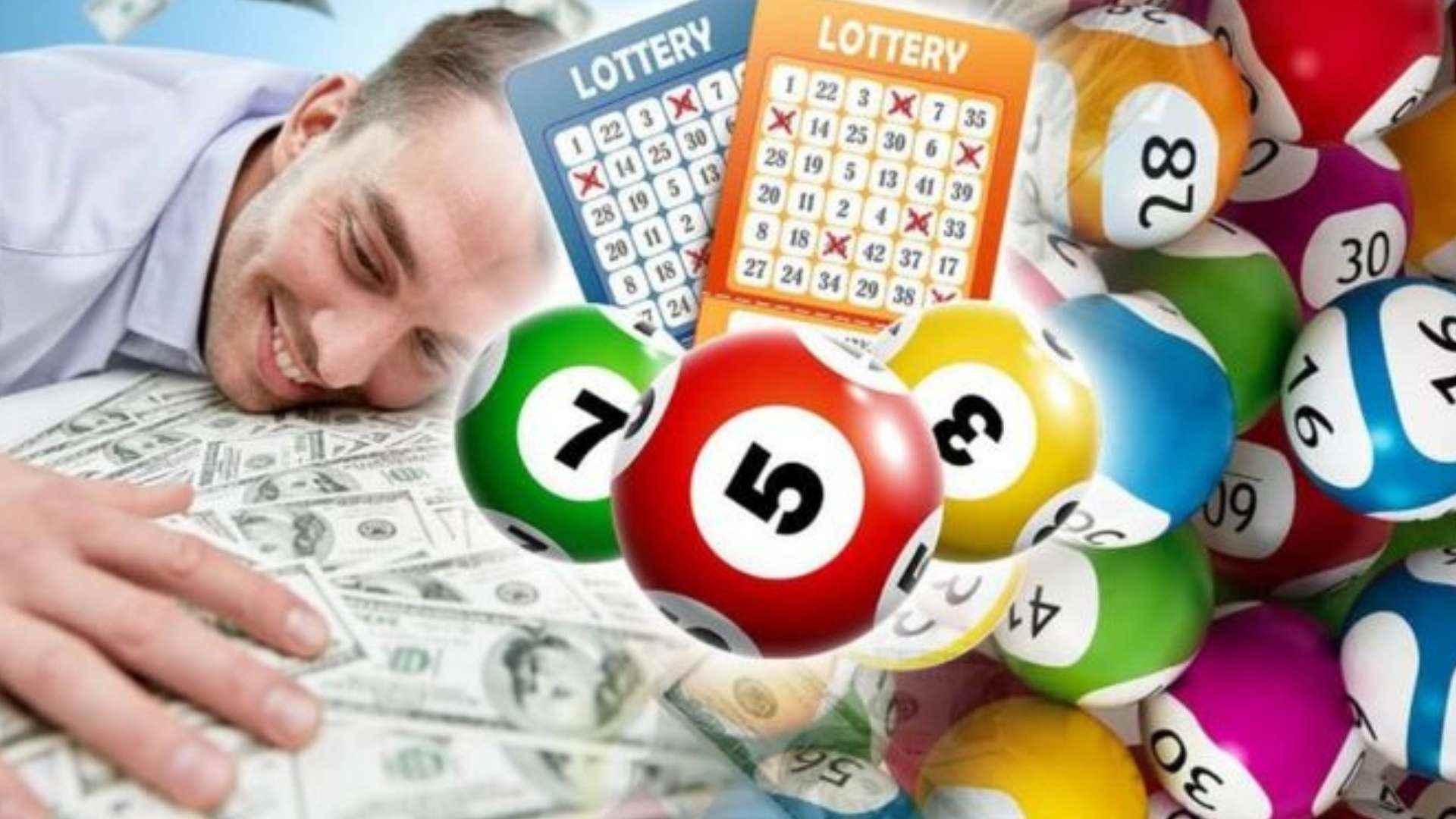
Millions of hopeful players buy lottery tickets every week, often relying on personal significance or traditional superstition to select their combinations. The concept of picking six lucky numbers remains a central theme for participants seeking a life-changing jackpot. However, analyzing these choices through a mathematical lens reveals fascinating truths about probability, random selection, and expected values.
The Appeal of Frequently Picked Combinations
Many players lean toward specific dates, such as birthdays or anniversaries, when selecting their six numbers. This practice naturally limits choices to digits between 1 and 31, leaving higher numbers drawn far less frequently on player slips. Consequently, when lower combinations win, jackpots are often shared among multiple participants who used similar calendar strategies.
Statistical principles dictate that every valid combination drawn in a fair lottery has an equal probability of appearing. Whether choosing sequential sequences like 1-2-3-4-5-6 or entirely random selections, the underlying odds remain constant. Recognizing this reality helps participants set realistic expectations while understanding how probability governs every single drawing.
Probability and the Mechanics of Random Selection
Probability theory relies on combinatorial math to determine the total possible outcomes in a lottery matrix. In a typical game where players select six digits from a pool of 49, the odds of matching all six are roughly 1 in 13.98 million. Mathematicians emphasize that previous drawing outcomes have zero influence on future drawings because each event operates independently.
For gaming enthusiasts exploring online entertainment platforms like m88 奖金, understanding mathematical odds provides valuable clarity when assessing digital games of chance. Relying on verified probability principles allows individuals to evaluate potential risk far more accurately. This analytical perspective ensures that gaming remains grounded in clear expectations rather than emotional speculation.
Why Lucky Numbers Do Not Alter Winning Odds
Belief in hot or cold numbers is one of the most widespread myths surrounding lottery draws. Hot numbers are those that appear frequently in recent results, while cold numbers have not been selected for a longer period. Statistical modeling proves that mechanical drawing machines and random number generators retain no memory of past results.
Because every combination carries the exact same mathematical likelihood, no particular sequence is inherently luckier than another. While choosing less popular numbers will not raise your odds of winning, it can reduce the likelihood of splitting the main prize if your numbers are drawn. Therefore, spread-out combinations offer a strategic advantage solely regarding payout distribution rather than winning probability.
Practical Mathematical Insights for Lottery Participants
Mathematical analysis demonstrates that buying more tickets increases overall chances, though the marginal gain remains extremely small. Pooling resources with co-workers or friends in a syndicate allows groups to cover more numeric combinations without increasing individual expenditure. This approach increases coverage, though any resulting prize money must be split among all members of the pool.
Ultimately, treating lottery tickets as a form of low-cost entertainment rather than a viable financial plan is the healthiest approach. Understanding the true mathematical landscape prevents unrealistic expectations and keeps the experience enjoyable. Smart players focus on responsible participation while enjoying the lighthearted fun of tracking their chosen digits.