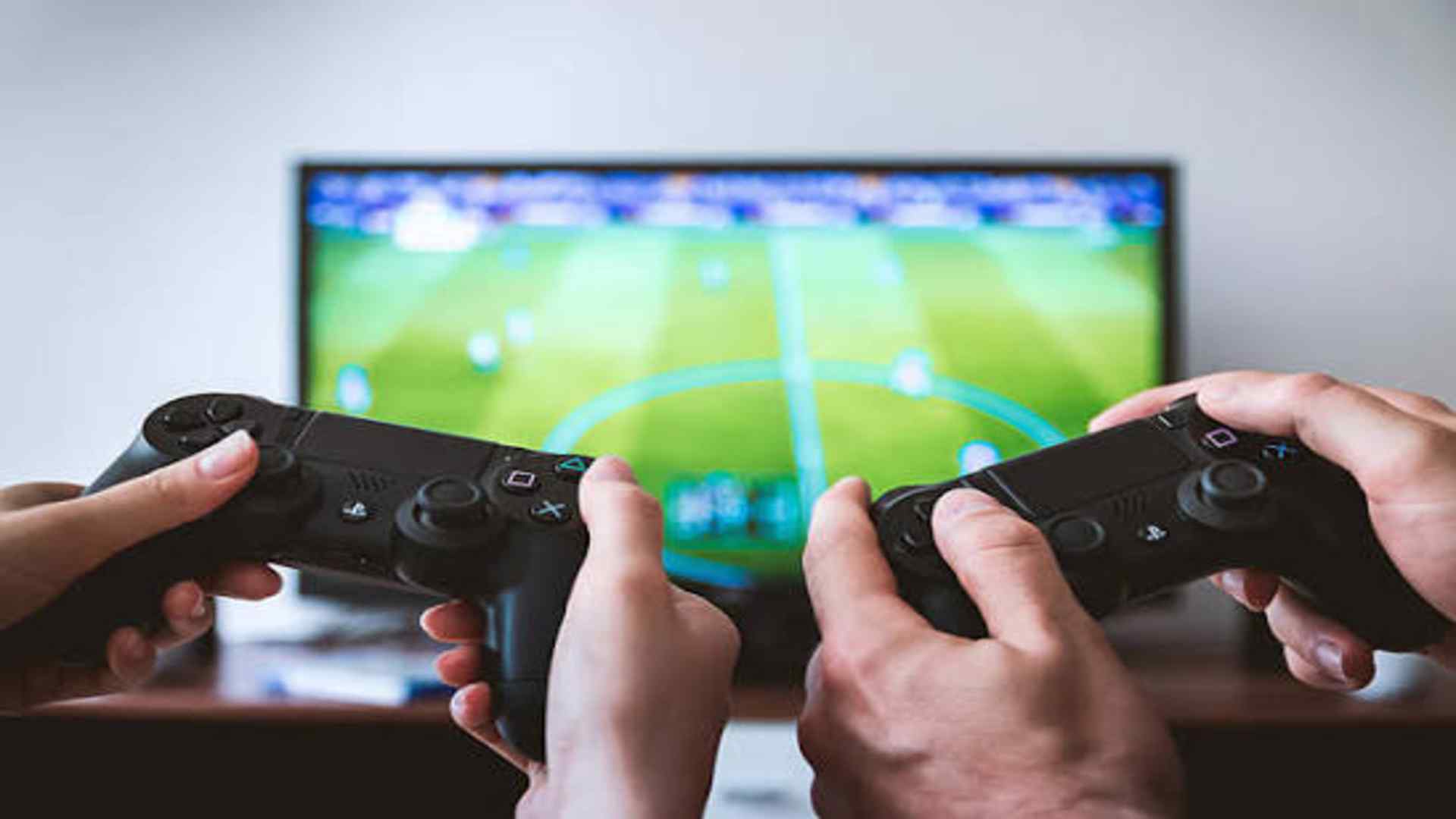
Engaging in tabletop entertainment is more than just a way to pass the time with family and friends. Certain table games challenge our cognitive faculties, pushing us to think several moves ahead and develop highly analytical mindsets. By actively participating in these strategic pastimes, players can sharpen their decision-making skills and enjoy a intellectually rewarding hobby.
The Strategic Depth of Modern Board Games
Modern board games have evolved far beyond simple roll-and-move mechanics, offering rich systems that require careful resource management. Players must constantly weigh short-term gains against long-term objectives, creating a dynamic environment where foresight is rewarded. This constant mental calculation helps individuals cultivate a more disciplined approach to problem-solving in their everyday lives.
Furthermore, these complex systems encourage players to adapt their strategies based on the actions of their opponents. This shifting landscape teaches flexibility and resilience, which are crucial components of high-level critical thinking. Ultimately, navigating these game worlds fosters a unique blend of patience and tactical agility.
Card Games and Risk Assessment
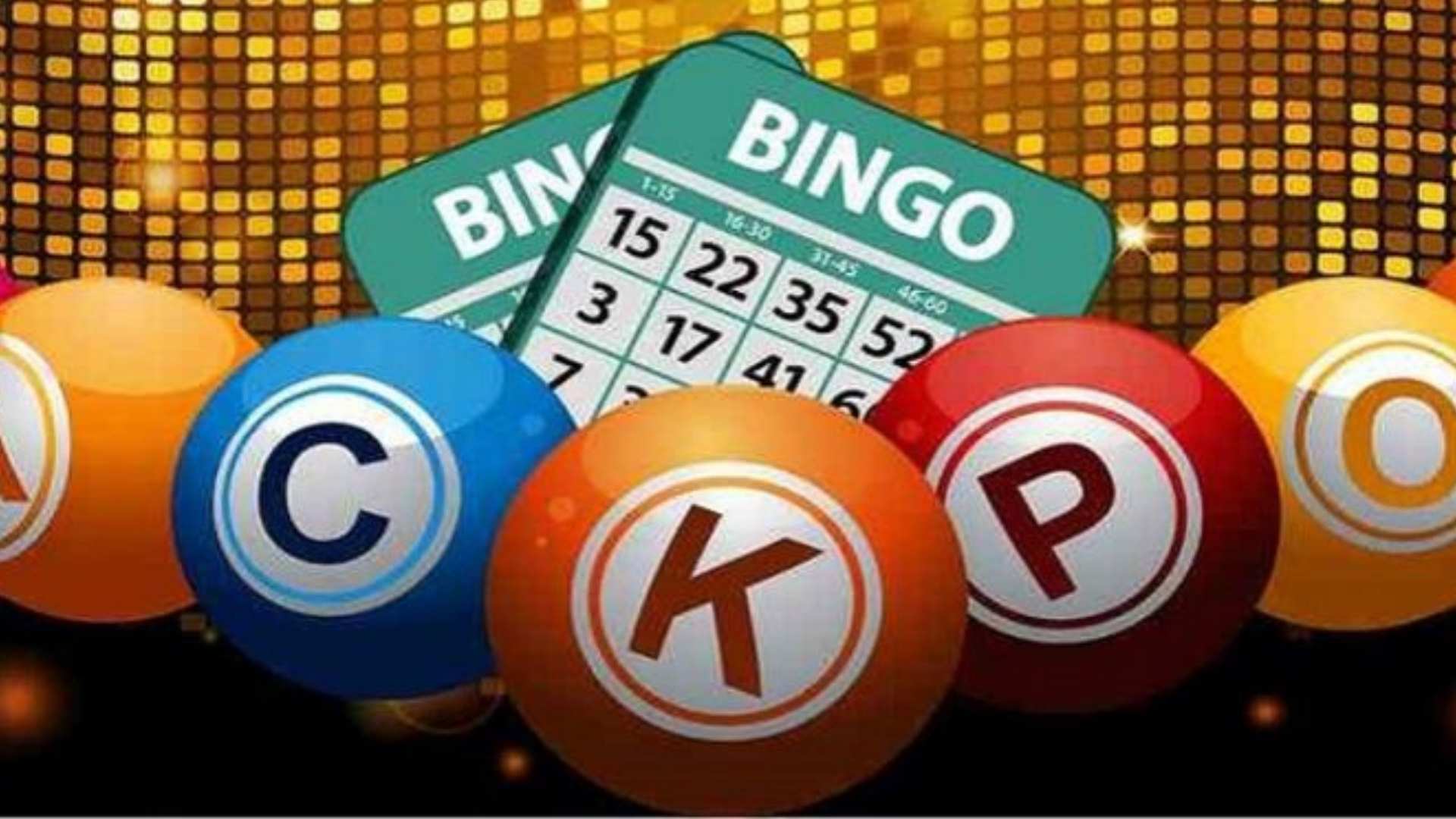
Classic card games serve as excellent arenas for mastering probability and risk management. Every hand dealt presents a unique puzzle where players must calculate odds and make decisions under conditions of incomplete information. This process mimics real-world scenarios where quick, calculated assessments are essential for success.
Through consistent play, individuals learn to control their emotional impulses and rely instead on logical analysis. For those interested in exploring digital formats of strategic challenges, looking into a game stick m88 can provide a modern way to experience these cognitive benefits. Developing a deep understanding of card mechanics remains one of the most effective paths to cultivating a smarter gameplay mindset.
How Spatial Reasoning Enhances Cognition
Many popular table games utilize physical placement, tile laying, or spatial configurations to challenge players. Visualizing how pieces interact on a shared board forces the brain to process geometric patterns and spatial relationships. This specific type of mental exercise is highly beneficial for keeping the mind active and healthy.
Players who excel in spatial games often find that their visualization skills improve across other non-gaming activities. This cognitive cross-training is one of the most underrated benefits of spending time at the gaming table. It demonstrates that the skills learned during recreation have a lasting positive impact on our daily intellectual performance.
Building Social Intelligence and Empathy
Beyond numbers and board layouts, table games are inherently social activities that require reading human behavior. Understanding your opponents' motivations, predicting their next moves, and negotiating alliances all build deep social intelligence. This interactive element adds a psychological layer that solitary digital games simply cannot replicate.
By learning to see the board from another player's perspective, you naturally develop stronger empathy and communication skills. These positive social habits make table gaming a highly holistic exercise for personal development. Investing time in these shared experiences leads to both a sharper mind and stronger relationships.