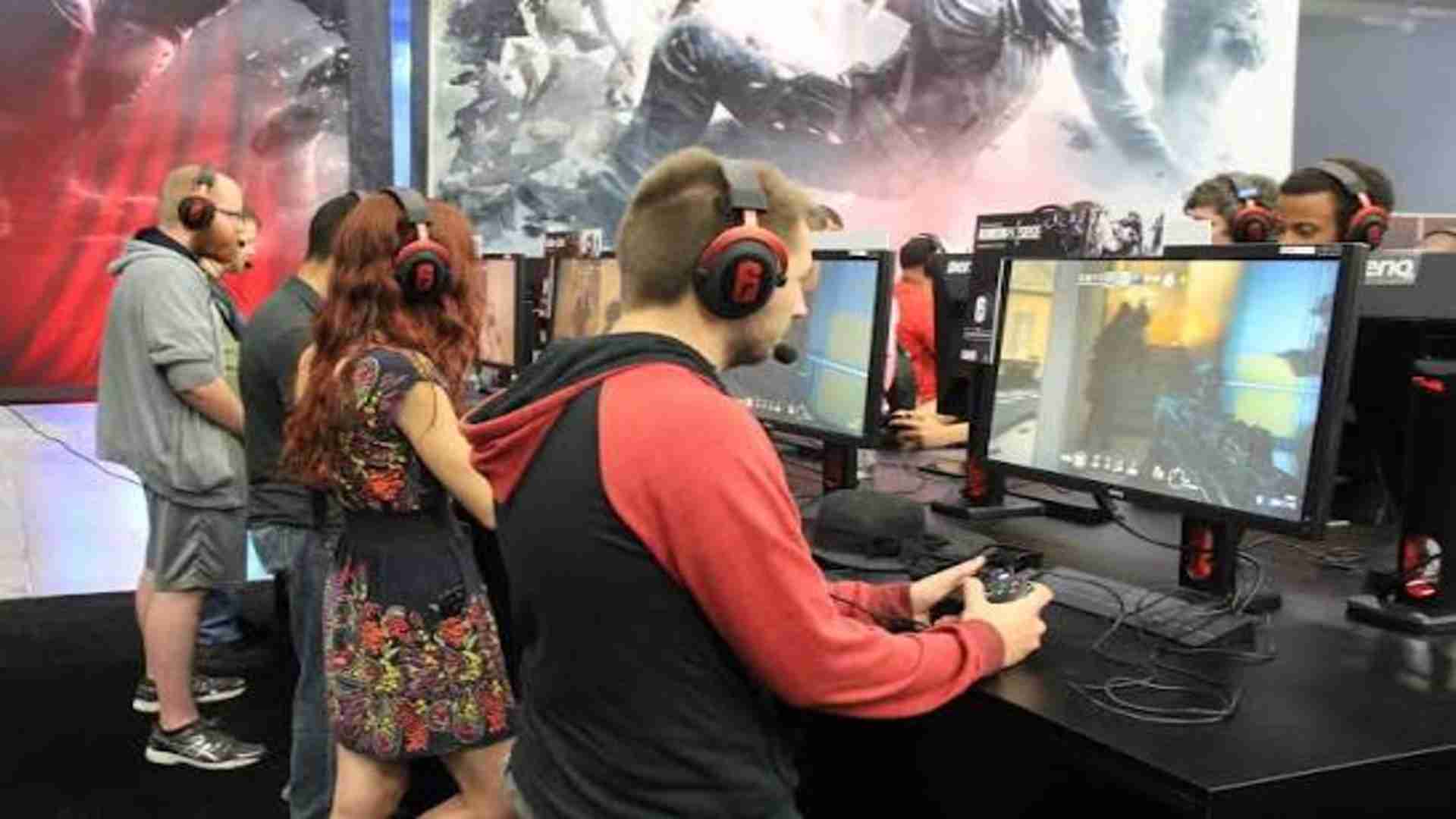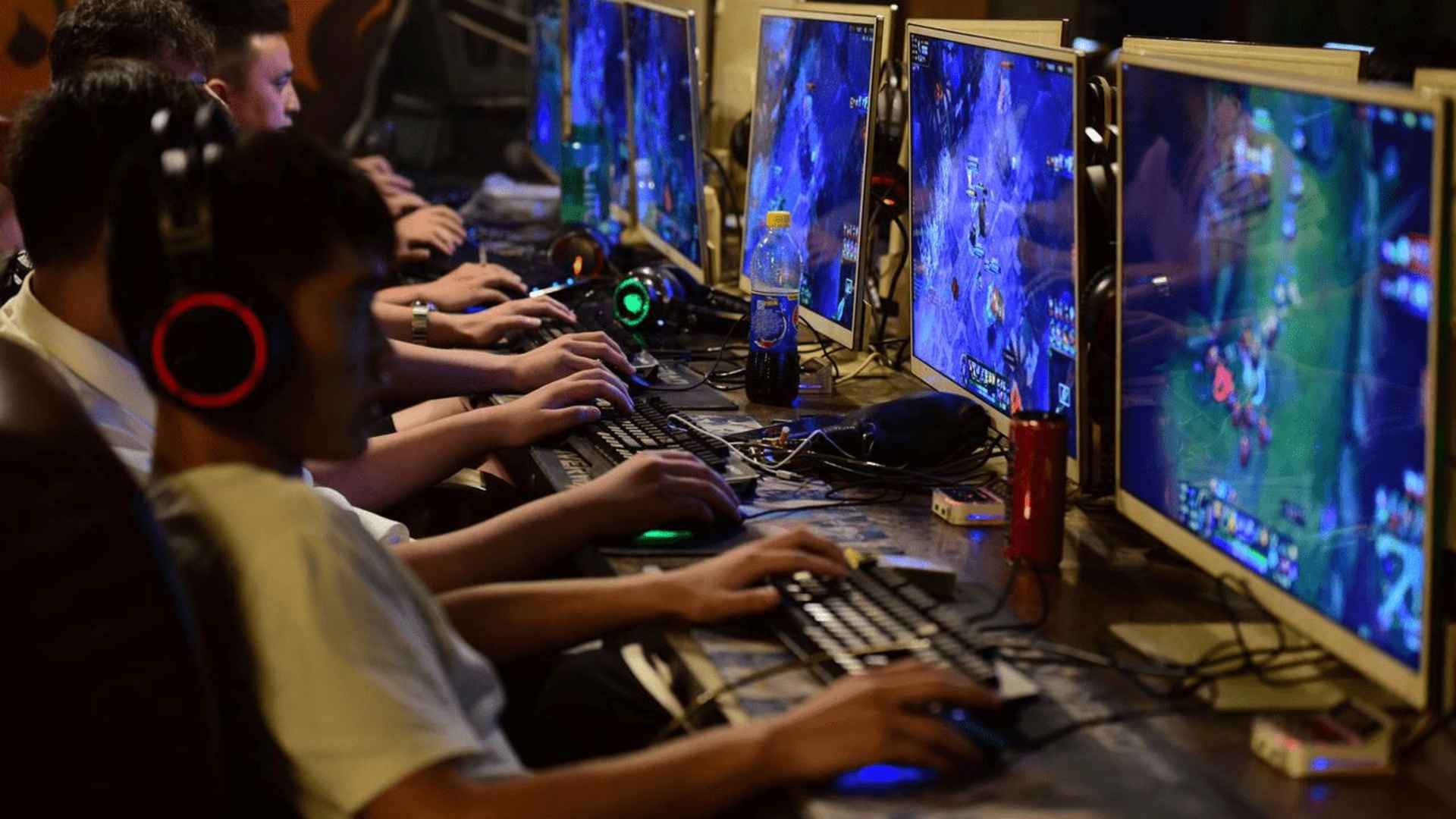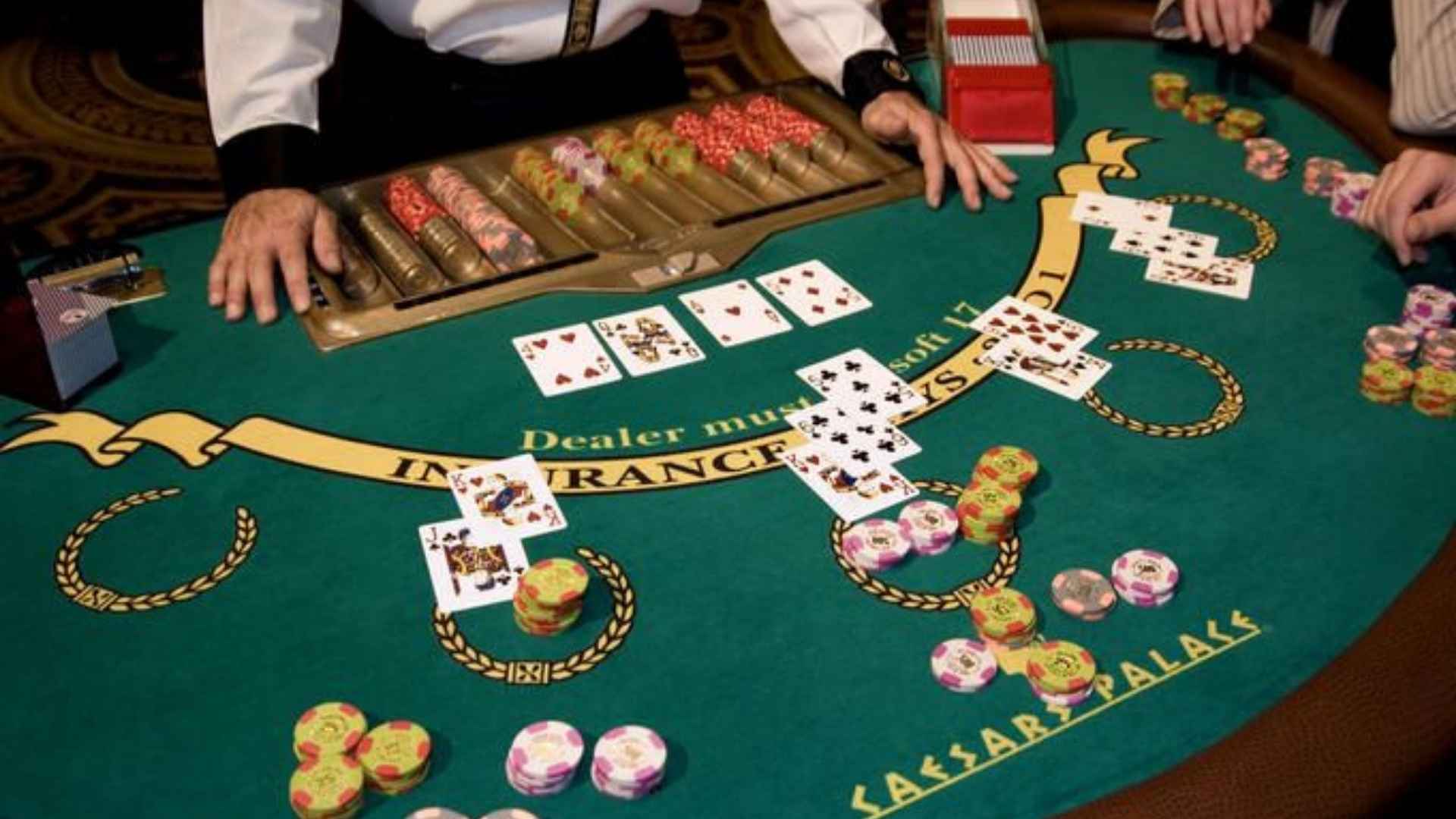
In an era dominated by constant digital interruptions and shrinking attention spans, finding effective ways to rebuild cognitive stamina has become a priority for many. While high-octane video games often encourage rapid multitasking, traditional solo card challenges offer a starkly different mental environment. Engaging with structured card layouts encourages deliberate decision-making, helping players train their minds to resist external distractions.
The Cognitive Mechanics of Slow Gaming
Unlike modern entertainment designed to trigger rapid sensory feedback, classic single-player games require sustained mental effort. Every move on the board demands that you evaluate multiple pathways, calculating the potential outcomes of uncovering hidden piles. This slow, methodical progress serves as an excellent mental exercise, training your working memory to manage information without feeling overwhelmed.
By intentionally slowing down the pace of engagement, players learn to appreciate the process of problem-solving rather than just seeking instant gratification. Over time, this deliberate practice helps establish a calm mental state that naturally transfers to daily academic or professional tasks. Cultivating this level of patience is essential for anyone looking to reclaim their deep work capabilities.
Building Resilience Through Strategic Play
Success in single-player card games depends heavily on how you manage unexpected layouts and limited choices. When a sequence does not immediately work out, the player must adapt their strategy rather than simply giving up. This continuous loop of assessing, planning, and executing builds cognitive flexibility, which is a vital component of executive brain function.
Furthermore, managing limited moves encourages individuals to accept temporary setbacks as part of a larger logical puzzle. This structured mindset helps minimize the frustration often associated with complex tasks in real life. Those looking for alternative digital pastimes can also explore the game stick m88 to diversify their interactive entertainment options while maintaining a focused mindset.
Establishing a Daily Concentration Routine
Integrating a quick session of solo card play into your morning or evening routine can act as a useful mental buffer. Spending just fifteen minutes arranging virtual cards helps clear away the noise of social media notifications and persistent email alerts. This brief period of isolated concentration prepares the brain to handle more demanding cognitive loads later in the day.
Ultimately, the key to transforming casual card play into a powerful focus habit lies in consistency and intent. By approaching each arrangement as a mindful exercise rather than a mindless distraction, you actively reinforce your ability to concentrate. Embracing these quiet moments of structured logic is a simple yet highly effective way to protect your long-term cognitive health.