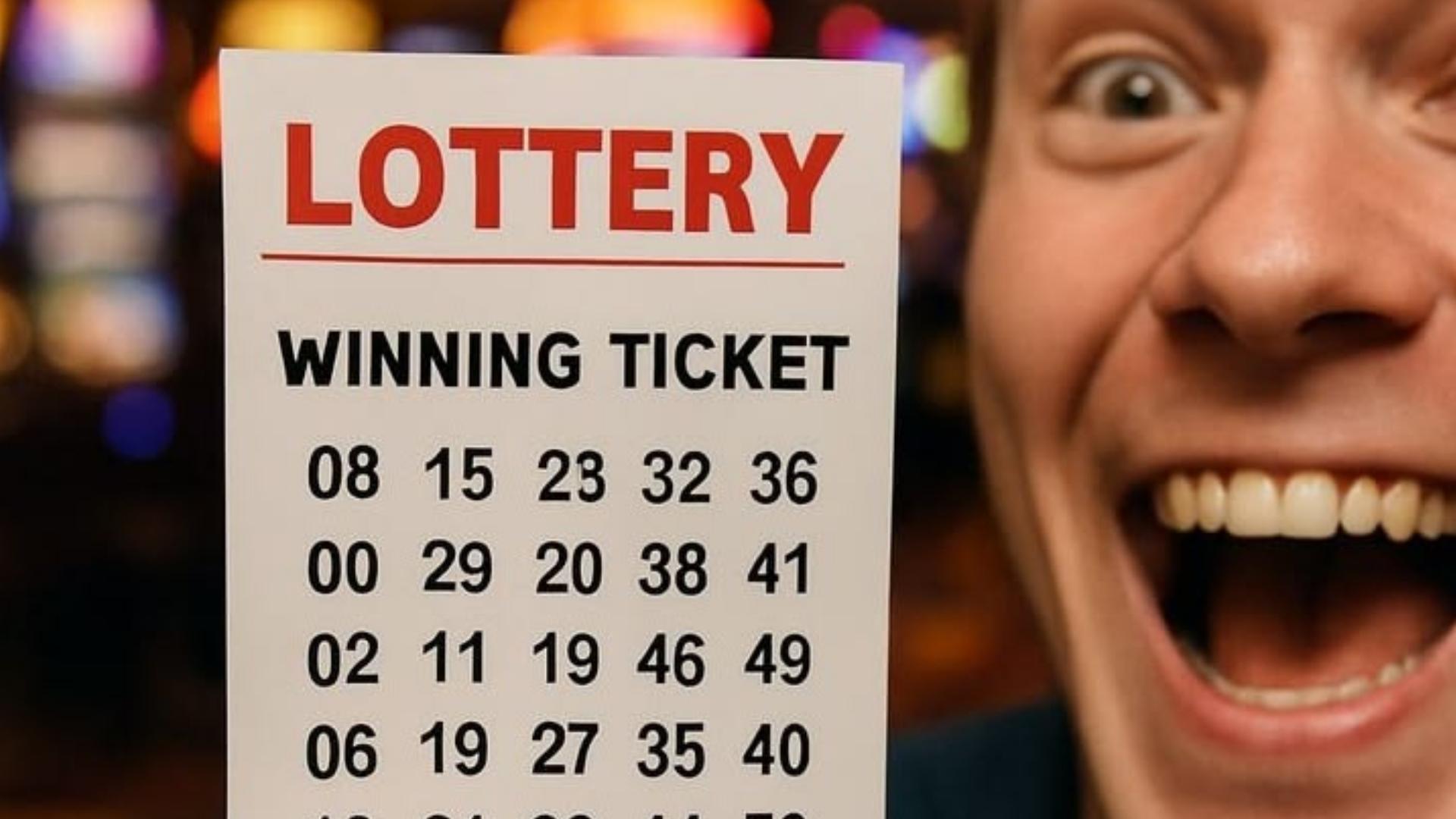
In the realm of modern digital gaming, the interplay between mathematical systems and visual architecture defines the user experience. Developers spend extensive periods crafting software that balances strict engineering with unpredictable random events to keep environments engaging. At the heart of this structural equilibrium sits the Return to Player metric, which outlines theoretical payout expectations over millions of cycles.
The Foundations of Algorithmic Fairness
The core framework of any digital casino title relies heavily on pre-calculated math models designed by specialized software engineering teams. These configurations dictate the percentage of total wagered capital that a title returns to its public community over an extended operational lifetime. It serves as a transparent benchmark that regulatory bodies monitor closely to enforce fair play across all online platforms.
While the theoretical average ensures sustainable mathematical predictability for operators, individual participants experience immediate randomness instead. This unpredictability is generated by separate backend engines that ensure every individual simulation remains completely unique and isolated. Understanding how these separate systems merge helps enthusiasts maintain balanced habits and avoid chasing short-term anomalies.
Architectural Design Meets Probability
Creating an appealing interface involves far more than simply setting high theoretical payouts to attract active audiences. Game designers must seamlessly blend visual triggers, immersive themes, and bonus features with the underlying mathematical restrictions. A perfect structural balance ensures that the entertainment value remains high while safeguarding the necessary revenue parameters.
When engineering these systems, developers often test various mechanics to accommodate different playing styles and consumer preferences. Players looking for specific interface choices might explore options like the game stick m88 configuration to enhance their interaction with digital environments. This integration shows how physical or virtual control mechanics operate in tandem with the mathematical frameworks of the game.
The Impact of Long-Term Statistics
A frequent error among casual participants is assuming that a stated return metric guarantees specific results during brief gaming windows. In reality, short-term volatility means that a single session can deviate drastically from the theoretical average built into the game. The true mathematical percentage only becomes visible over vast datasets spanning millions of consecutive rounds.
Acknowledging this long-term scope allows individuals to separate temporary winning streaks from the structural reality of the software code. Responsible platforms actively display these metrics to encourage realistic expectations and foster transparent relationships with their users. By treating the return percentage as a macroeconomic average, players can approach interactive entertainment with clearer strategic awareness.
Balancing Volatility and Consumer Goals
Ultimately, a title's volatility configuration determines the frequency and magnitude of payouts, working directly alongside the baseline math. Two separate systems might share identical return metrics yet offer completely contrasting experiences due to different risk parameters. Balancing these elements correctly allows creators to target both risk-averse individuals and high-stakes enthusiasts effectively.
Selecting the right option depends entirely on personal budget limitations and individual entertainment goals within digital spaces. A comprehensive understanding of both probability and mathematical design empowers users to navigate complex platforms securely. This calculated approach transforms virtual entertainment from a game of blind luck into a well-understood mathematical dynamic.