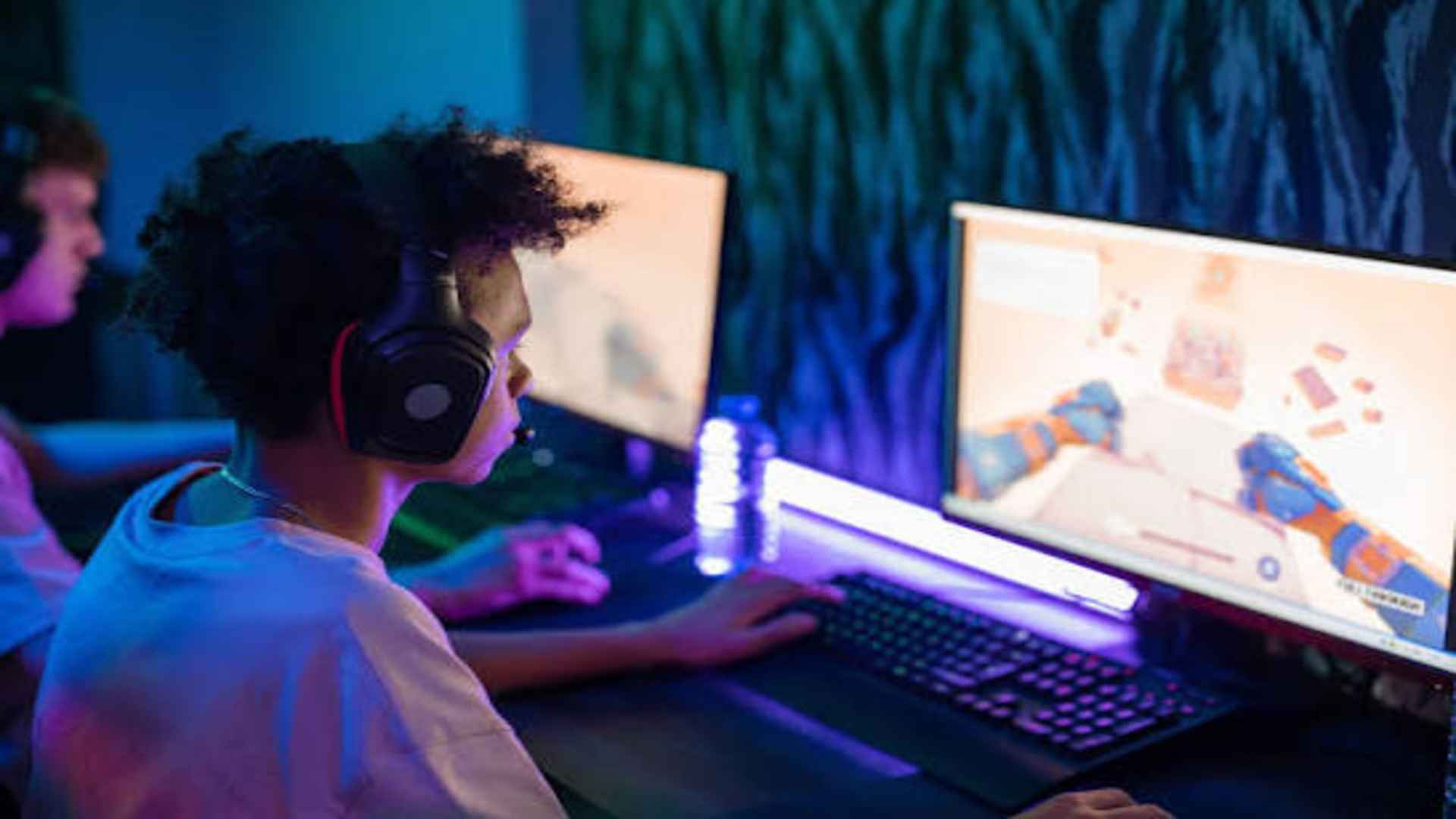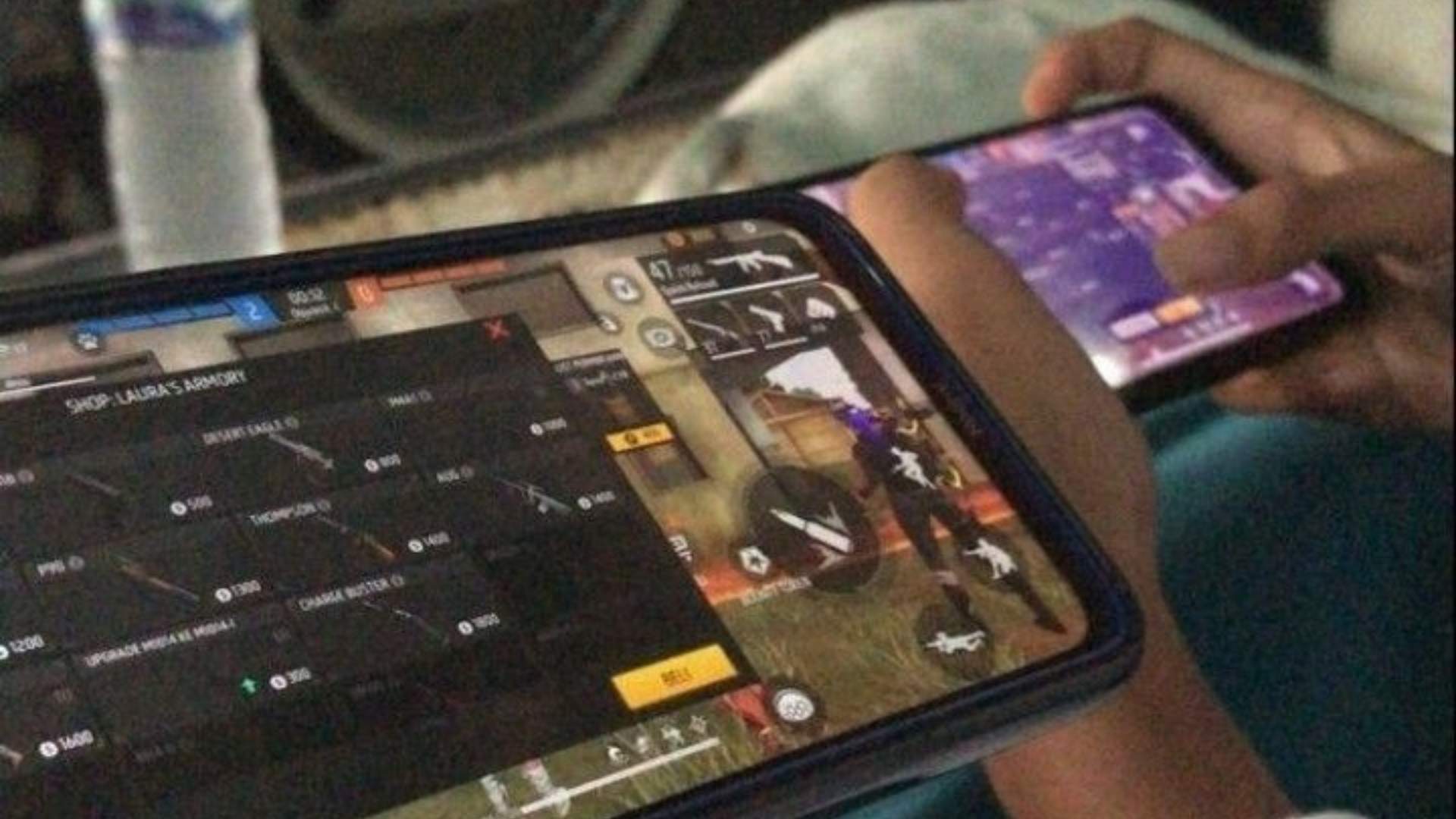
The landscape of modern cooperative gaming has shifted drastically from straightforward matches toward highly interconnected missions. Players are no longer merely competing for individual high scores; instead, they must unite to accomplish complex goals. This collaborative approach transforms how teams interact, fostering deeper engagement and reliance on collective planning.
The Evolution of Cooperative Missions
In the past, multiplayer options often meant simply running alongside a partner while performing identical actions. Today, advanced developers design scenarios where success depends entirely on distinct roles and shared victory conditions. Each participant brings a unique skill set to the group, ensuring that everyone remains critical to the mission outcome.
These mechanics require teams to constantly analyze their environment and adapt to changing conditions in real time. When players coordinate their efforts to overcome complex barriers, the sense of collective achievement increases significantly. It is this deep level of coordination that keeps modern communities actively engaged for longer periods.
Strategic Coordination and Real-Time Communication
Achieving success in these environments requires more than just quick reflexes or basic mechanical skills. Teams must establish clear communication channels to discuss plans, distribute resources, and execute precise strategies. Without proper alignment, even the most skilled individuals can struggle against advanced digital challenges.
Many gaming setups now utilize specialized hardware to enhance the precision of team movements and command execution. For instance, using a reliable input setup like the game stick m88 can provide the responsiveness needed during high-stakes tactical encounters. Having the right tools ensures that your real-time inputs match the team strategic decisions perfectly.
Fostering Long-Term Player Communities
Games built around shared tactical objectives naturally promote strong social bonds among their participants. Because players must rely heavily on one another, they learn to cooperate faster and establish stable playing groups. This dynamic shifts the focus from isolated matches to ongoing community building.
Furthermore, developers support these communities by introducing regular updates and seasonal goals that test collective skills. As challenges evolve, groups are encouraged to refine their strategies and maintain consistent interaction. Ultimately, these shared digital victories create lasting memories that keep players returning to the virtual battlefield.