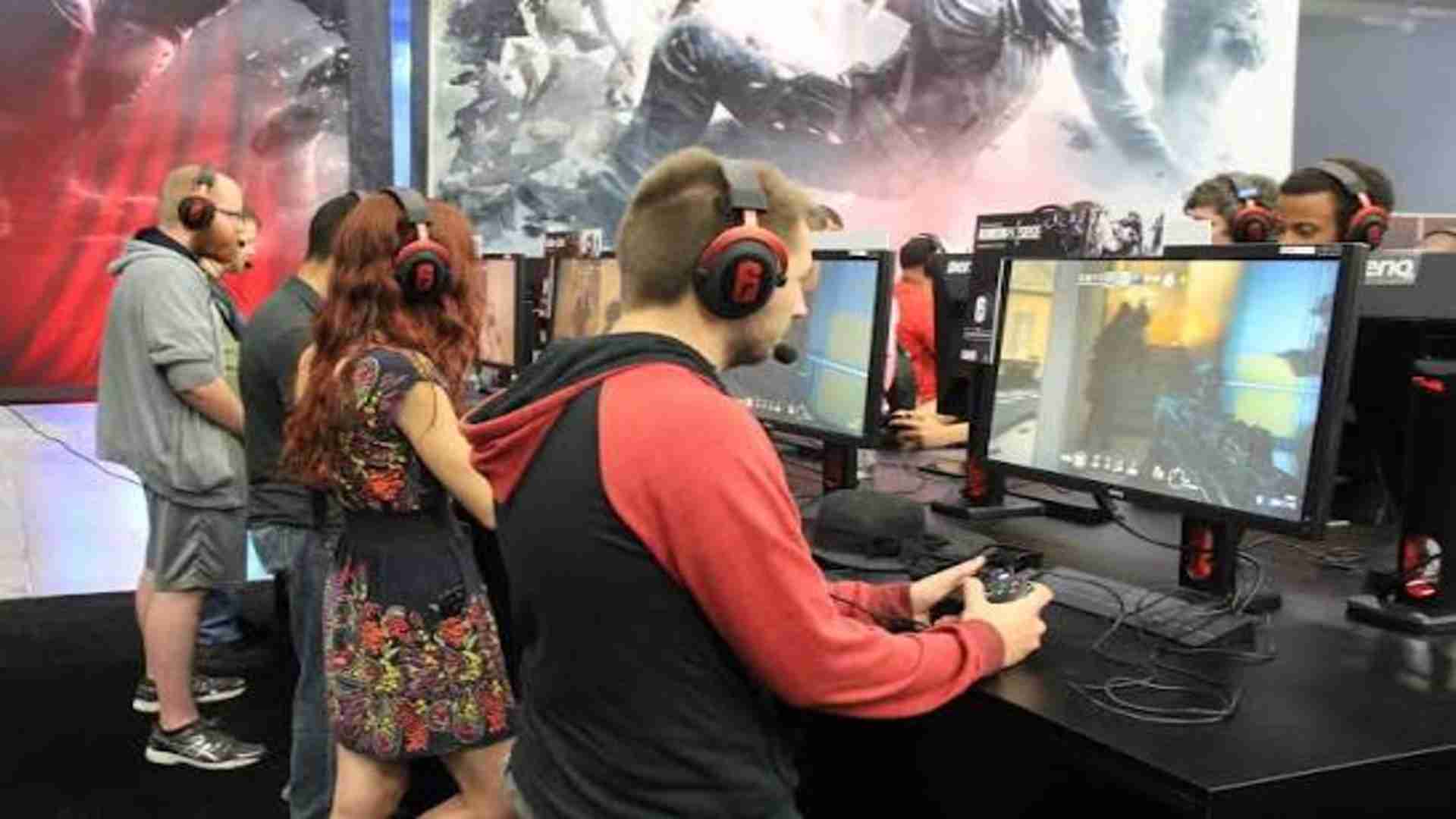
The mobile gaming ecosystem has witnessed a dramatic shift over the past several years, turning portable screens into highly competitive battlegrounds. Mobile card games featuring dynamic PvP arenas are leading this evolution by offering real-time tactical matches that challenge players across the globe. These virtual environments combine the intellectual depth of traditional trading card formats with the immediacy of modern smartphone technology.
The Mechanics of Real-Time Player Combat
Dynamic PvP arenas require players to make split-second decisions while managing complex card interactions and shifting field conditions. Unlike traditional static card matchups, these live environments introduce active timers and evolving mechanics that prevent predictable outcomes. Success in these arenas demands a combination of meticulous deck preparation and sudden tactical flexibility.
Understanding how turn priority and dynamic resources function is critical for maintaining an advantage during high-stakes competitive matches. Most modern titles utilize active balance systems that force players to adjust their operational formulas mid-game. For enthusiasts seeking specialized gaming inputs, checking out a unique platform like the game stick m88 setup can provide a highly responsive alternative for managing interactive digital environments.
Building Decks for Competitive Balance
Constructing a versatile deck configuration stands as the primary foundation for surviving aggressive real-time challenges. Skilled players must balance defensive structural choices with explosive offensive potential to counter a wide variety of international opponents. A highly optimized deck focuses heavily on mechanical consistency, ensuring that key answers are always accessible when pressure increases.
Modern developers frequently monitor tournament metadata to implement balancing adjustments that prevent single archetypes from dominating the field. This constant shift forces the active player community to abandon rigid meta structures and continuously experiment with fresh card synergies. Adapting quickly to these systematic updates remains a core requirement for climbing the competitive ladder.
The Role of Seasonal Leagues and Rewards
The implementation of structured ranking divisions has transformed casual mobile card games into thriving professional environments. Regular seasonal tournaments and localized community ladders offer dedicated card enthusiasts a measurable path toward mastery. These competitive cycles ensure that the active player base remains highly motivated to refine their tactical skills over extended periods.
Furthermore, real-time battle arenas frequently offer exclusive cosmetic rewards and rare tier upgrades to top-performing participants. This combination of global recognition and tangible progression elements maintains long-term engagement within the community. Embracing both the structural meta discussions and high-stakes tournaments keeps the overarching strategy dynamic and rewarding.